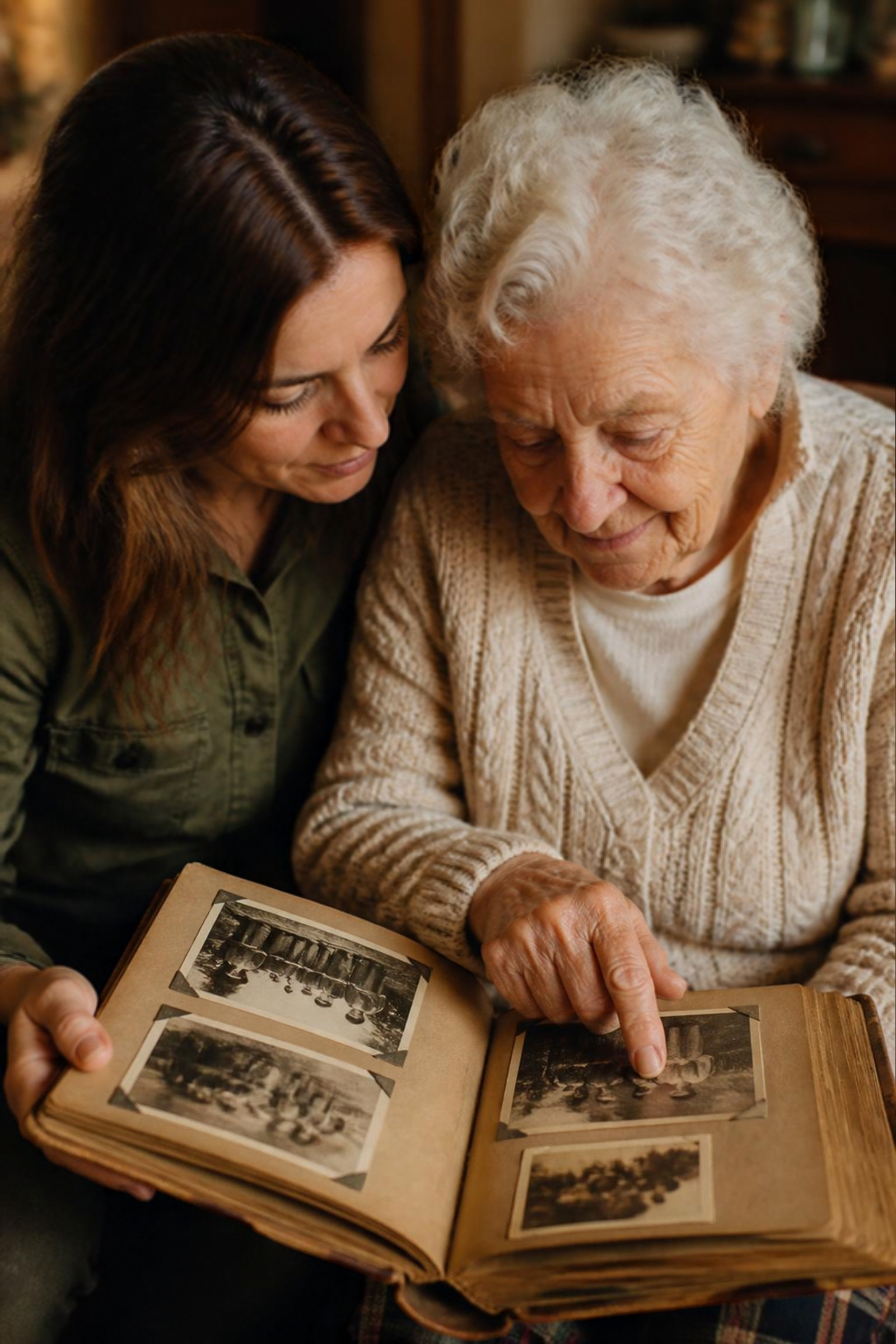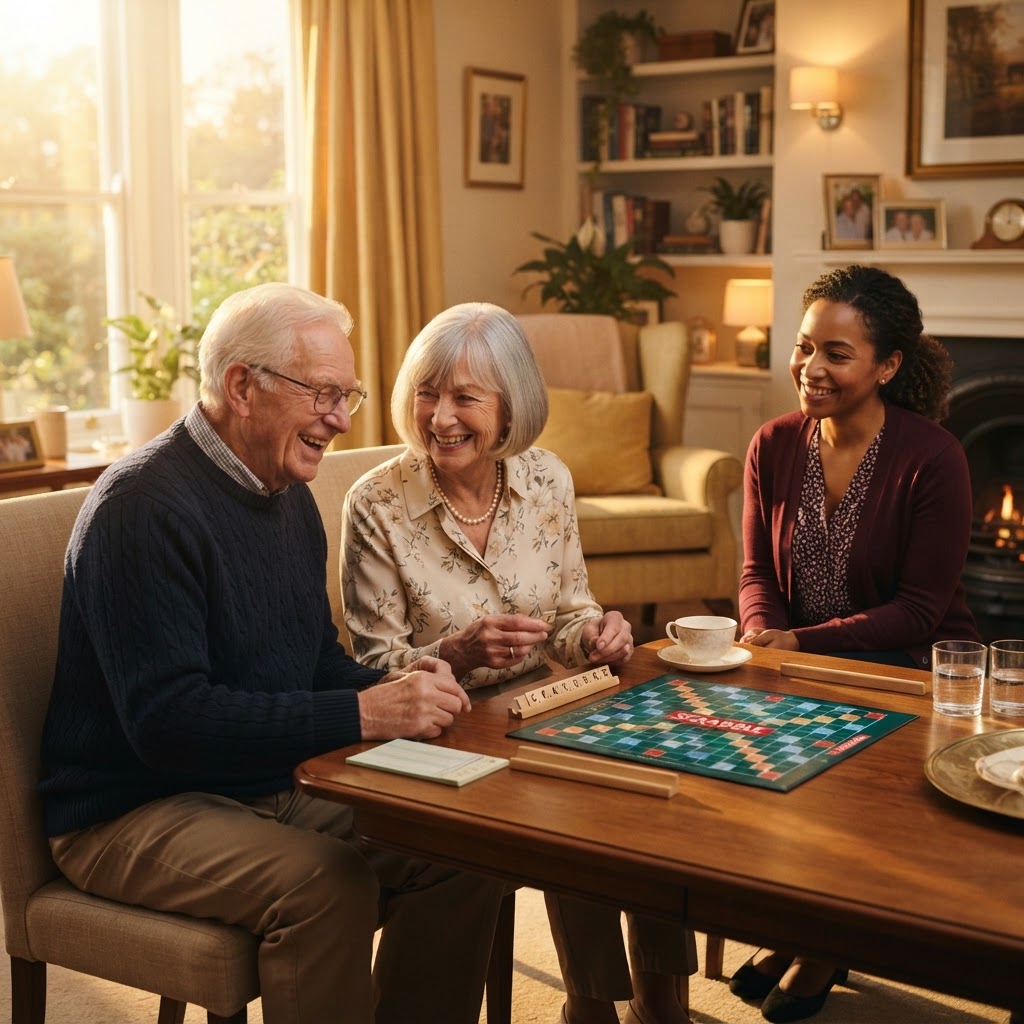
Dementia doesn't progress on a fixed schedule, and no two people move through it exactly the same way. Still, care needs generally shift in recognizable patterns, and understanding roughly what to expect helps families plan rather than just react. This is general information, not a diagnosis or medical guidance — always work with your loved one's doctor on the clinical picture.
Early stage: independence with light support
In the earliest stage, a person is often still managing most of daily life, with occasional lapses — misplaced items, repeated questions, minor difficulty with complex tasks like managing finances or medications. Support at this stage tends to be light-touch: medication reminders, help with appointments, and companionship that keeps a normal routine and social connection going, through companion care and homemaker services.
Middle stage: routine and safety become central
As changes progress, confusion becomes more frequent, personality and mood shifts are more noticeable, and personal care tasks — bathing, dressing — often need more direct help. Wandering and safety become real considerations. This is typically where dementia and memory care support becomes more structured: a consistent, familiar caregiver, a steady daily routine, and an engagement program suited to what still brings enjoyment and a sense of accomplishment.
Later stage: comprehensive, hands-on care
In later stages, a person typically needs help with most or all daily activities, and communication becomes more limited. Care at this stage is largely about comfort, dignity, and consistency — familiar touch, familiar voices, and a caregiver who has built real continuity with the person, which is exactly why continuity of care matters so much earlier in the process.
Why continuity matters at every stage
Across all stages, the same principle holds: consistency reduces confusion and anxiety. The same caregiver, the same routine, the same approach to a difficult moment — all of it is more effective, and more humane, than rotating through unfamiliar faces. That's why continuity with trained, familiar caregivers is built into how dementia support is structured from the start, not added later.
Plans that adapt as things change
Because needs shift, dementia care benefits from regular reassessment rather than a plan set once and left alone. Quarterly assessment updates and ongoing care conferences exist specifically so the plan can move with the condition, instead of a family having to notice the gap and ask for a change themselves.
Supporting the family through every stage
Each stage brings its own weight for the family, not just the person living with dementia. If you're trying to understand where things stand right now and what kind of support actually fits, a free consultation is a good place to start that conversation.