Many seniors live alone successfully for years, especially with the right supports quietly in place. The real risks aren't usually dramatic — they're the slow accumulation of small things nobody's there to notice: a missed meal, an unanswered call, a fall with no one nearby to help.
The core risks of living alone
The main concerns tend to be physical safety (a fall or medical event with no one present), isolation (fewer natural daily interactions than someone in a household with others), and a slower discovery time if something does go wrong. None of these are reasons to assume a parent can't live alone — they're simply the specific things worth building support around.
A regular check-in routine
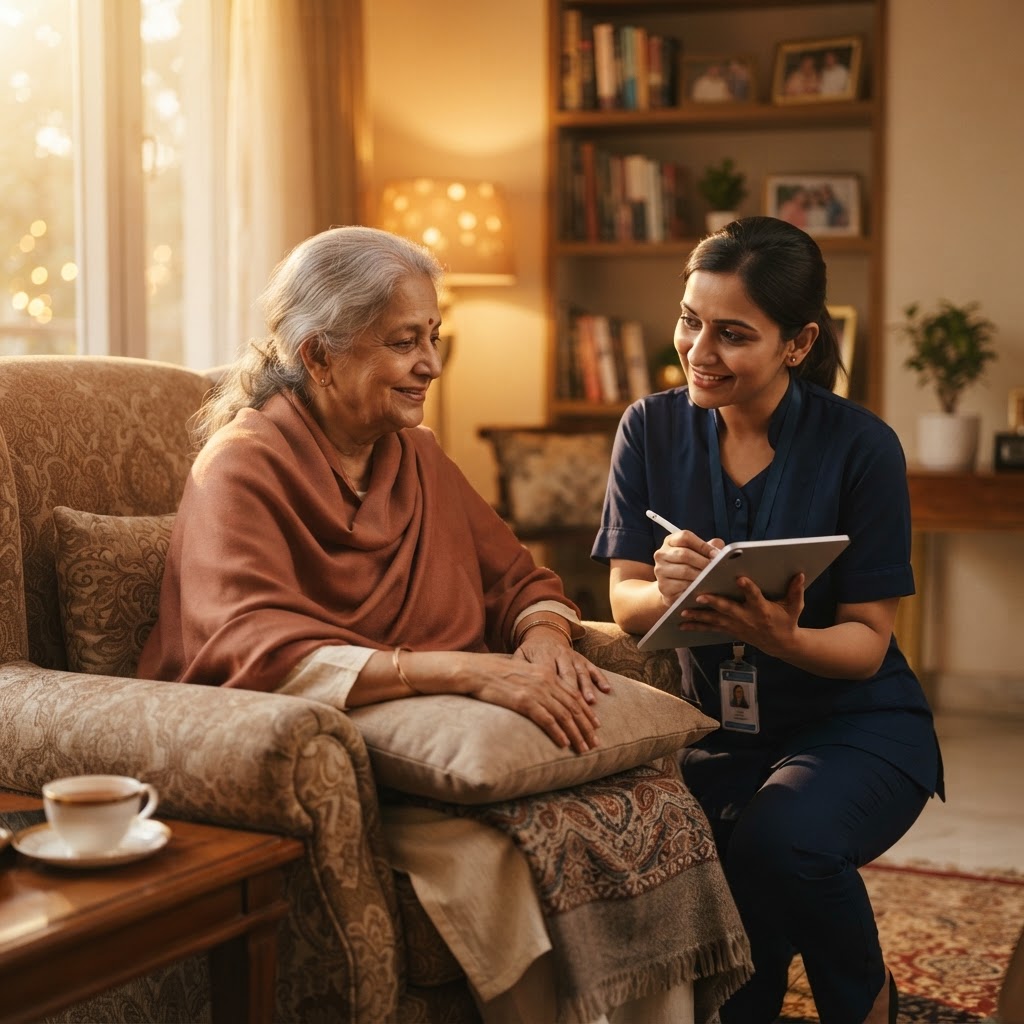
A predictable daily or near-daily contact — a phone call at a set time, a text, a visit — does more to reduce risk than almost anything else, mainly because it shortens how long a problem could go unnoticed. The specific method matters less than the regularity of it.
Making the home itself safer
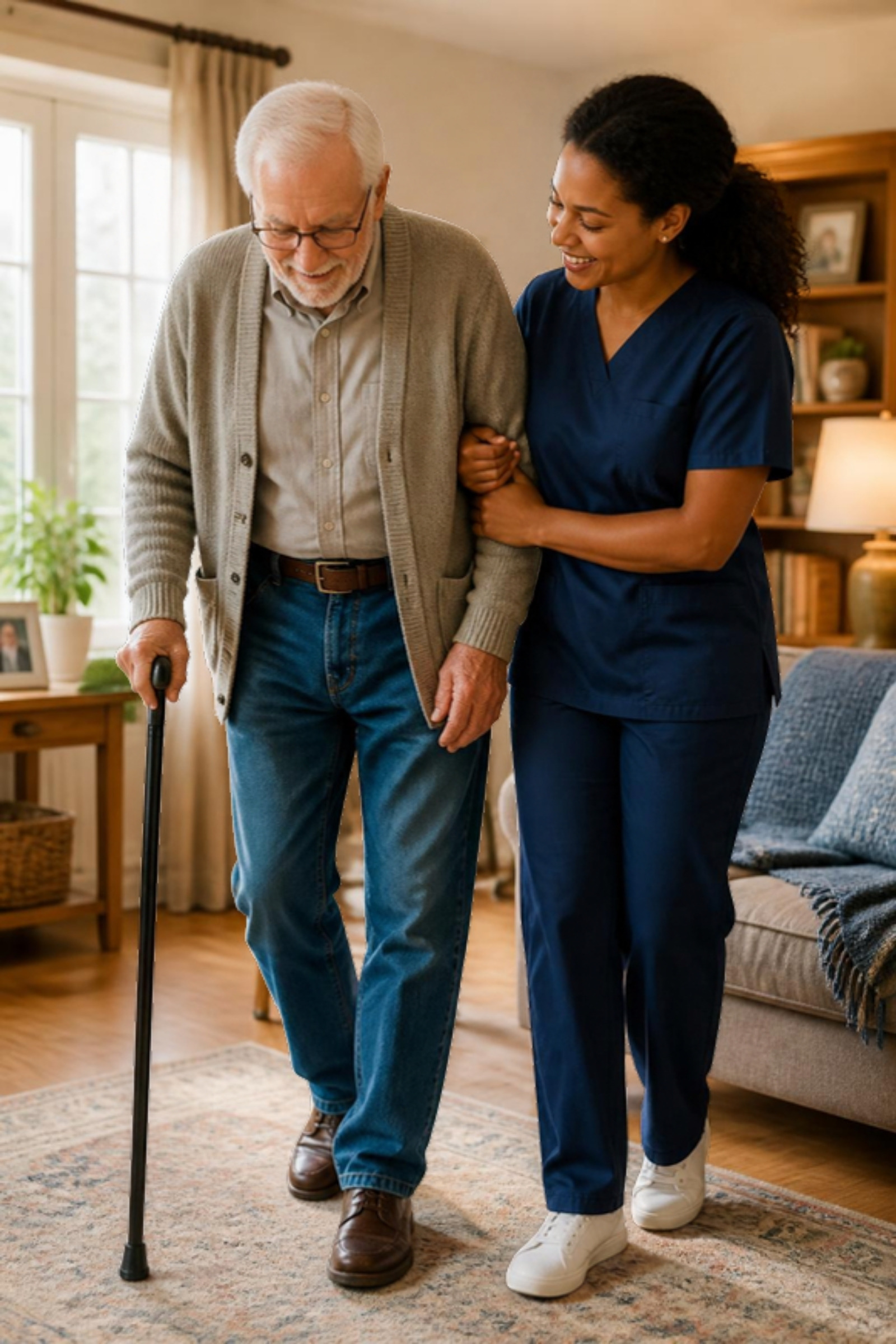
Good lighting, clear walkways, grab bars in the bathroom, and a phone kept within reach in the rooms where time is actually spent all reduce the risk and severity of a fall. None of this requires major renovation — most of it is rearranging what's already there.
Companionship reduces more risk than it seems
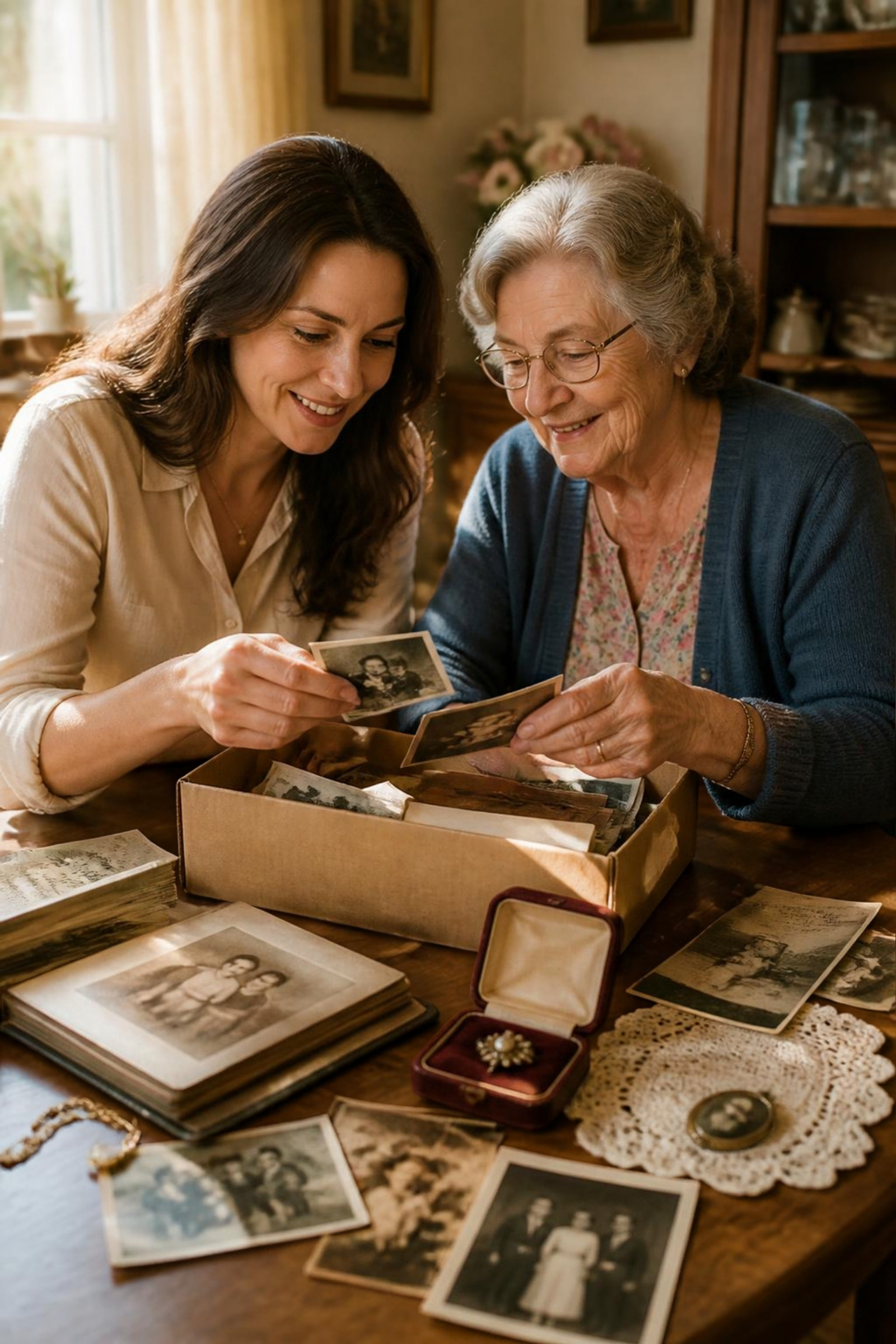
Isolation affects far more than mood — it's linked to worse outcomes across nearly every measure of wellbeing in seniors living alone. Regular companion care visits provide real social contact on a predictable schedule, which also means a trained person is checking in consistently, not just occasionally.
Building a support network, not just a single fix
A parent living alone benefits from layered support rather than one solution: a caregiver visiting on a regular schedule, a neighbor who checks in casually, family members calling on a rotation, and clear information about who to contact if something seems off. No single piece has to cover everything.
When to consider more regular support
If check-ins are catching more small problems than they used to — spoiled food, missed medication, a general sense that something's slipping — that's usually the signal that a scheduled caregiver visit, rather than informal family check-ins alone, is the right next step.
If you're trying to figure out how to help a parent stay safely independent while living alone, a free consultation can help you think through what a realistic, sustainable support plan looks like.