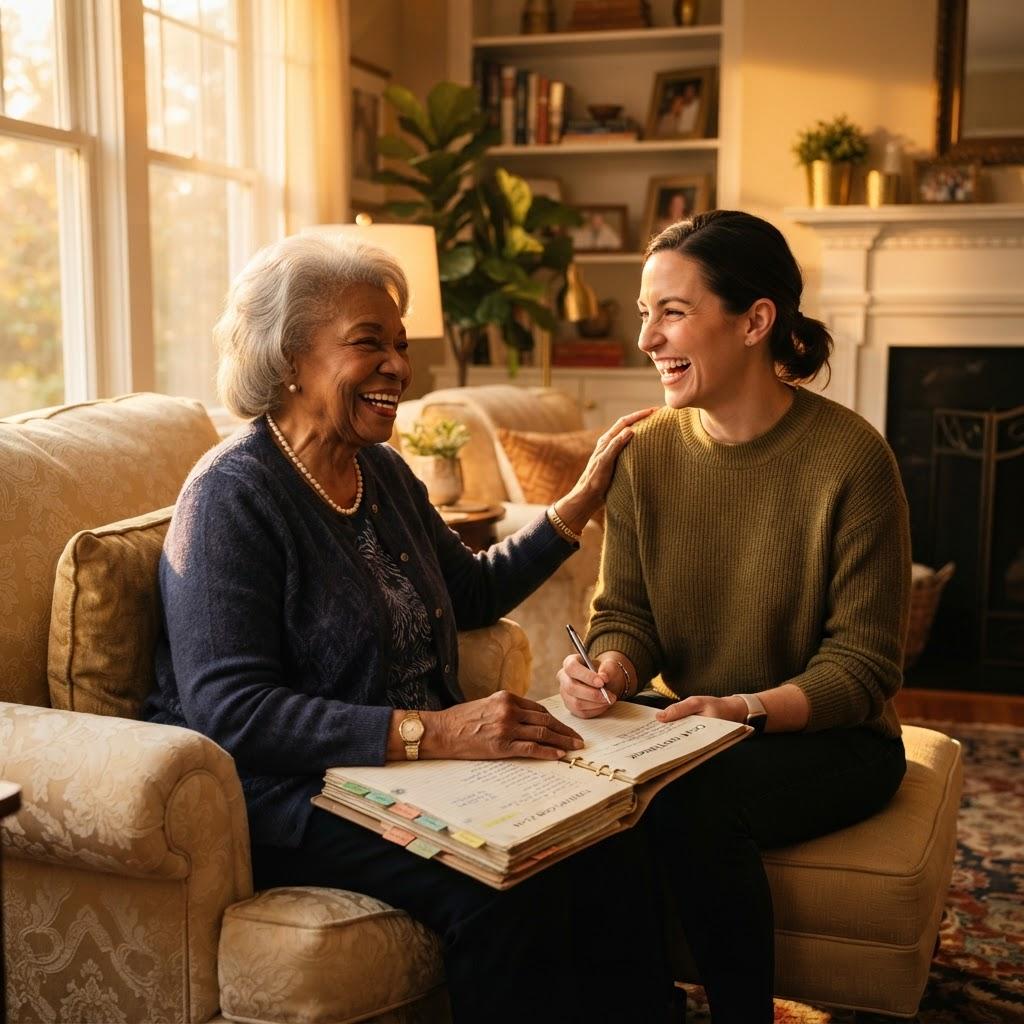
Dementia & memory care
Familiar caregivers, steady routines, and thoughtful engagement for people living with memory loss.
In-home personal care
Bathing, dressing, grooming, and using the bathroom are some of the most private parts of anyone's day. When they start to feel difficult or unsafe, the right help lets your loved one keep their routines — and their dignity — in the home they know best.
Snuggs & Huggs Senior Services provides respectful, personalized personal care for older adults throughout Greater Seattle, shaped around how your loved one already likes to live.

Families often begin looking for help after noticing small changes: a parent who was always well put-together now skips showers, wears the same clothes for days, or seems nervous getting in and out of the tub. Sometimes the trigger is a fall, a hospital stay, or a new diagnosis. Sometimes it is simply that the spouse or adult child who has been helping can no longer do it alone.
Personal care can be a hand with the morning routine, help getting ready for the day, or support with more personal tasks as needs change over time.
No two people like their morning the same way. Care begins with a focused two-hour family consultation about routines, preferences, personality, and priorities — how your loved one likes to bathe, what they prefer to wear, what makes them anxious, and what they would rather keep doing for themselves.
That conversation becomes a tailored care plan, so support fits the person rather than the other way around.
Personal care depends on trust. You meet two to three caregiver options and choose the person who feels like the best fit. A 7–14 day monitored trial follows, with daily check-ins, and the arrangement is refined based on your family's feedback until it feels right.
Personal care is included in all three care options — Standard, Premium, and All-Inclusive — alongside meals, groceries, home management, and medication reminders. Premium and All-Inclusive Care add deeper coordination, daily digital family updates, and continuity with trained caregivers.
Want to see how this fits alongside everything else? Compare the care plans or browse all in-home care services.
Here's how care starts. Each step makes room for your loved one's preferences and your family's feedback before anything is settled.
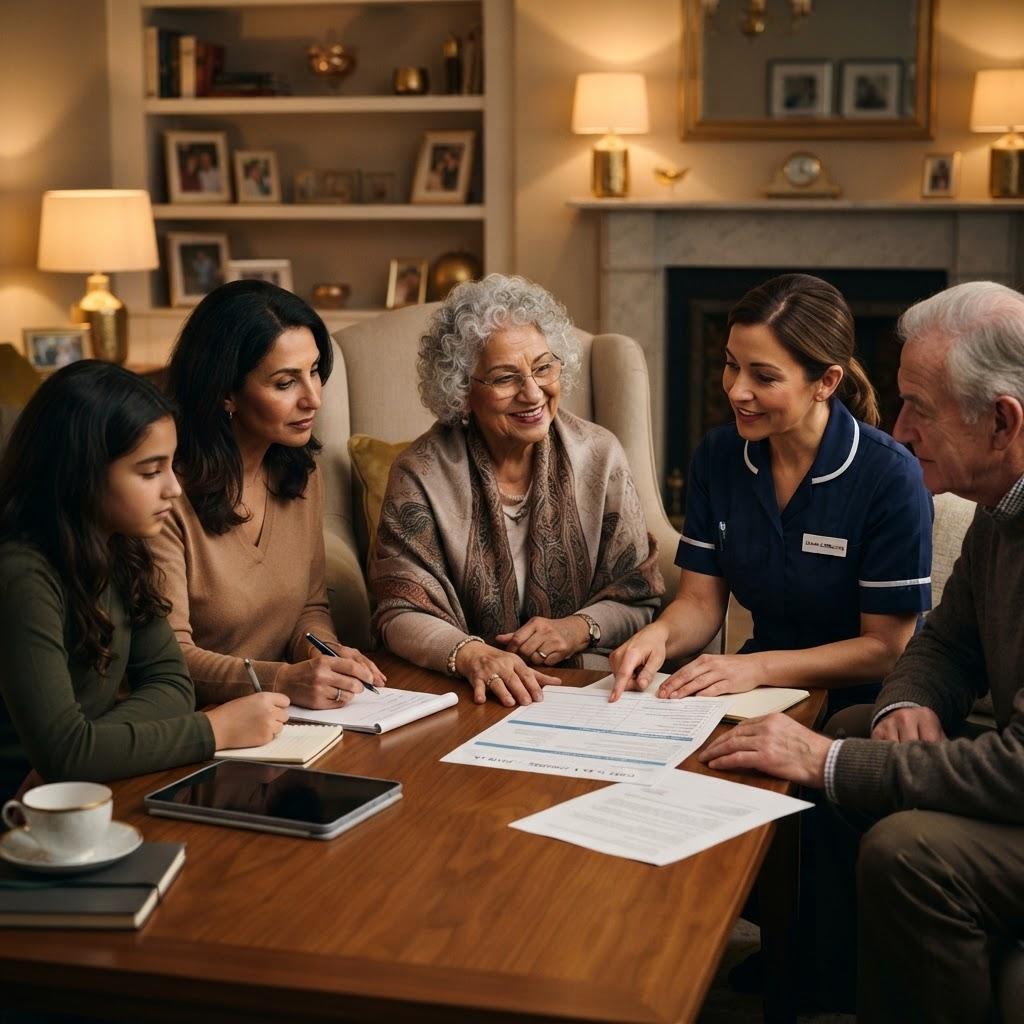
Step 1
We begin with a focused two-hour conversation about routines, needs, personality, and priorities.
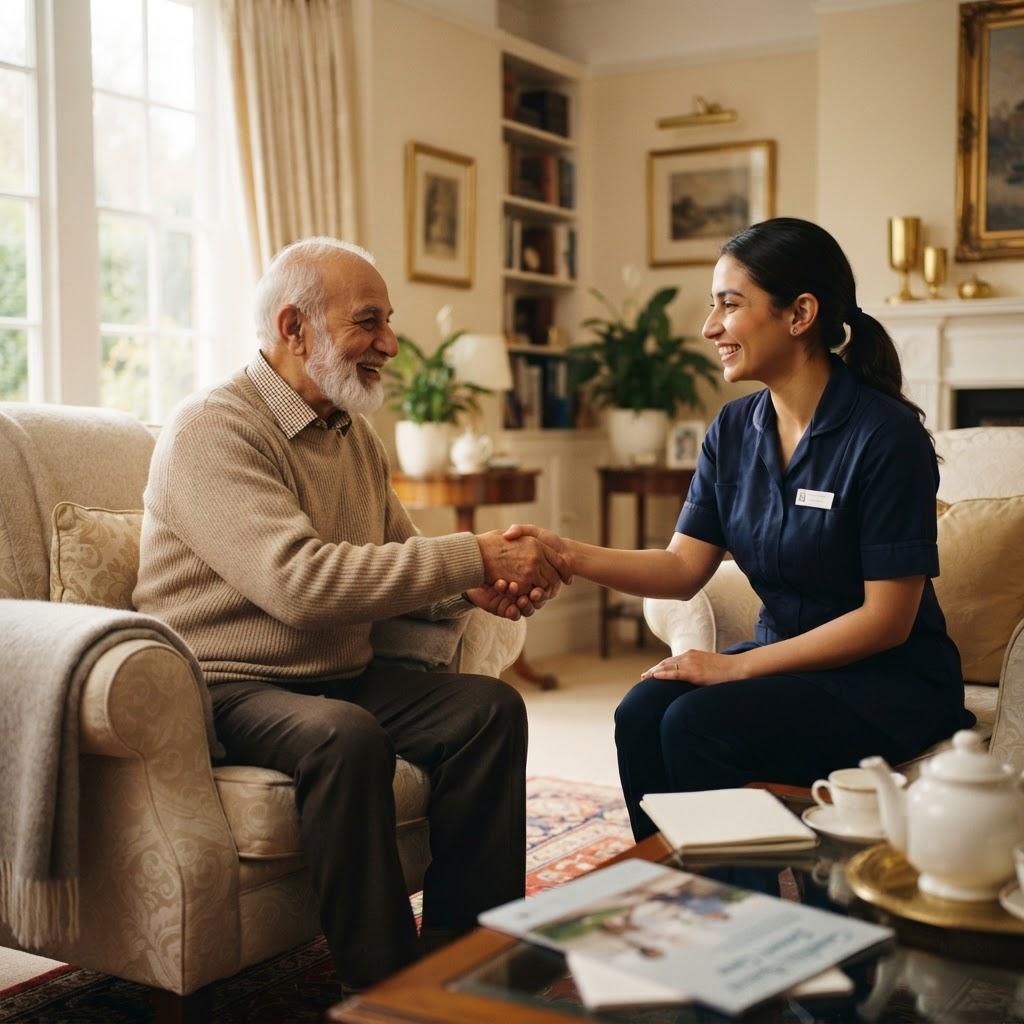
Step 2
Meet two to three caregiver options so your family can make a comfortable, informed choice.
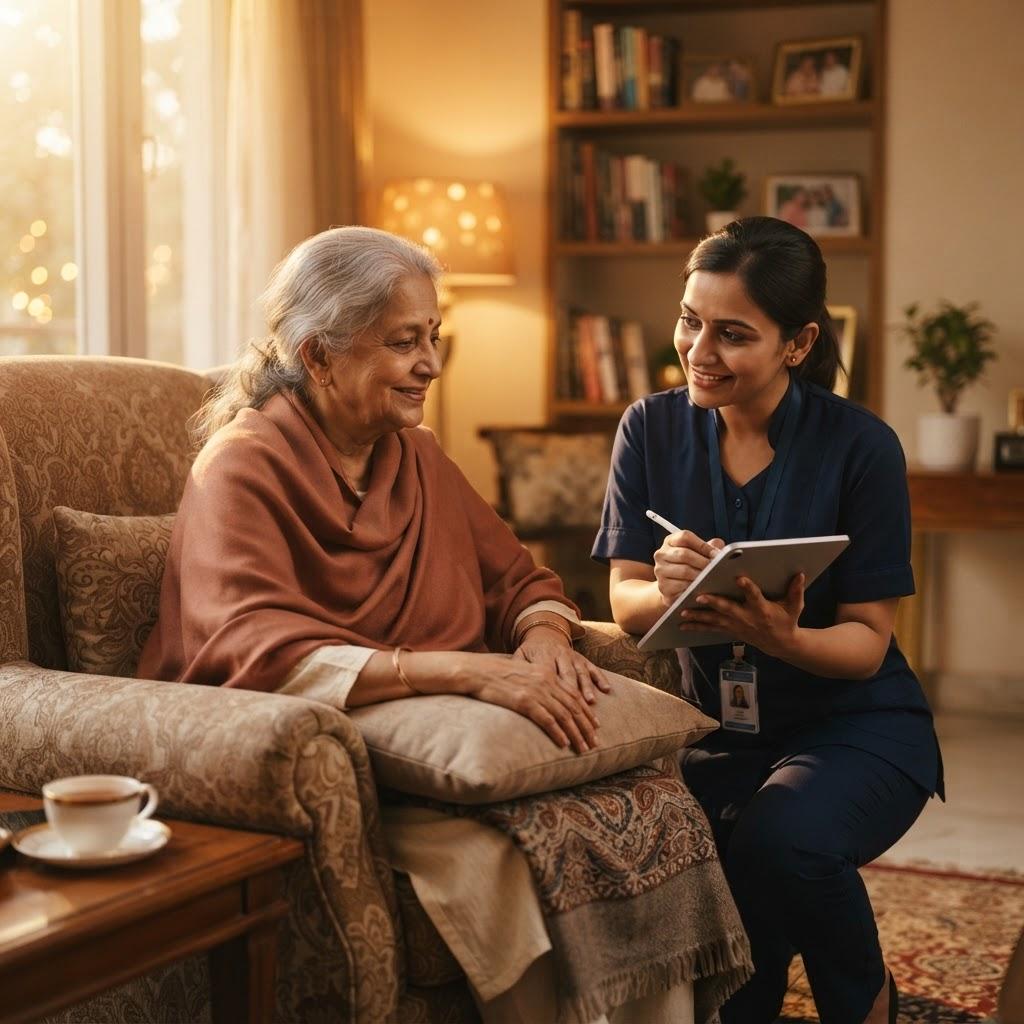
Step 3
A 7–14 day trial includes daily check-ins and overnight monitoring when arranged.
Step 4
We listen to feedback and adjust the care arrangement until it feels right for your loved one.
Each step is also offered as a premium add-on for an even smoother transition into care, and all of them come included with All-Inclusive Care. Ask about them during your free consultation.
Common questions
No. Personal care is non-medical help with everyday activities such as bathing, dressing, hygiene, and toileting. Care plans include medication reminders rather than medication administration. If your loved one needs skilled nursing or therapy, their doctor can advise on medical home health services.
That is very common, and it is one reason the process starts gently. The family consultation captures what matters to your loved one, you choose the caregiver together from two or three options, and the trial period gives everyone time to build trust. The plan is adjusted based on feedback until it feels right.
Care is personalized, so pricing depends on the level of support, the schedule, and the services your loved one needs. Call (206) 848-5121 for a clear recommendation and a current quote.
More ways we help
Familiar caregivers, steady routines, and thoughtful engagement for people living with memory loss.

Meal planning, grocery shopping, home management, and medication reminders.
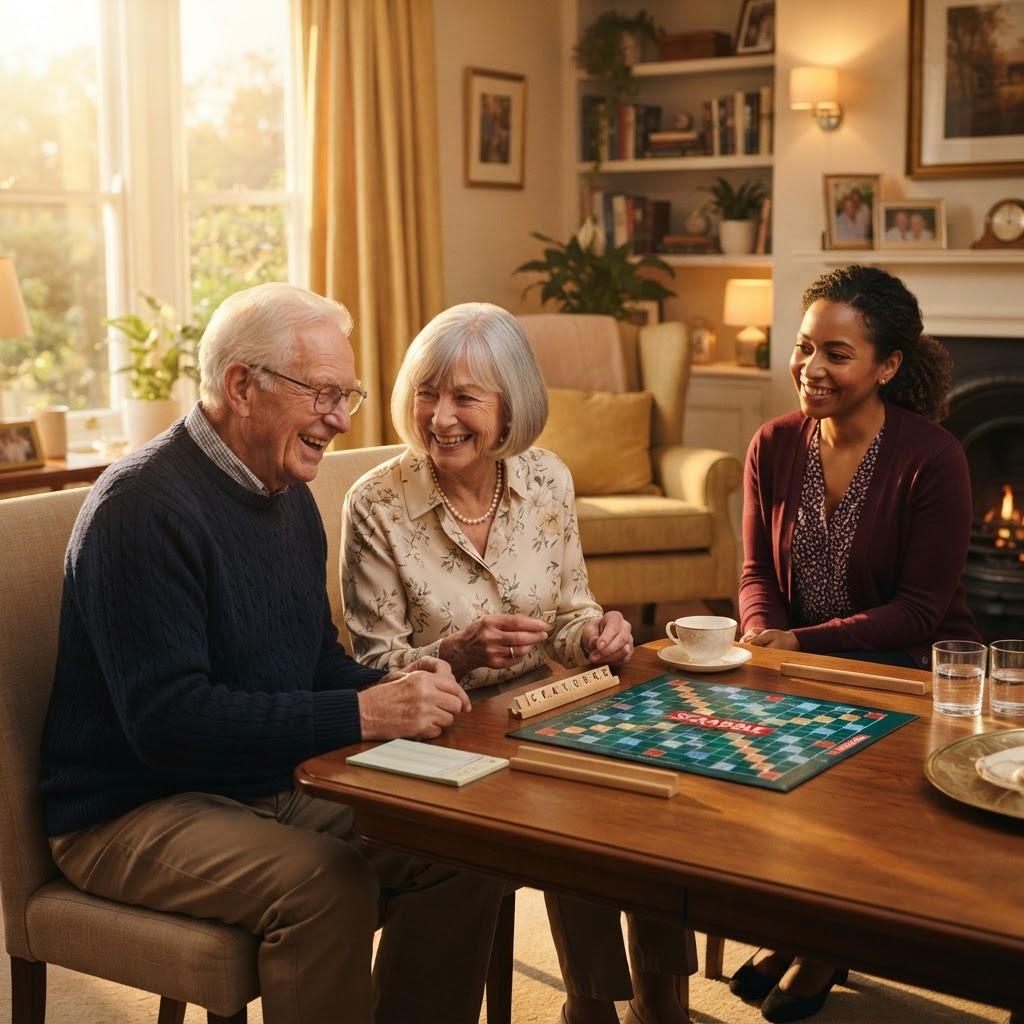
Companionship, meaningful activities, recreation, and cognitive engagement at home.
From the blog
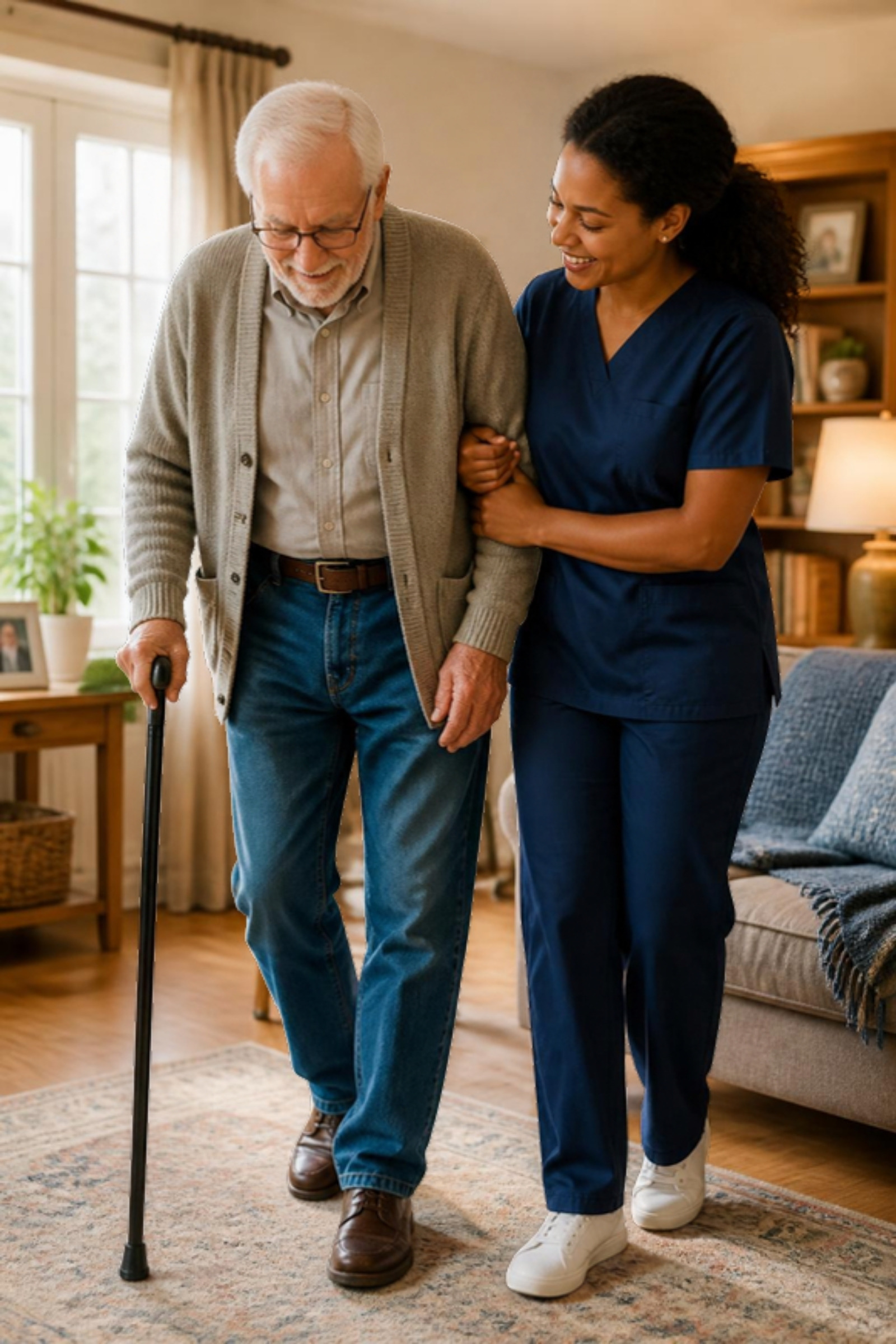
Parkinson's changes day-to-day life gradually. Here's a general look at how in-home support adapts alongside it — always in coordination with their doctor.
Michelle Wiley2 min read
Read article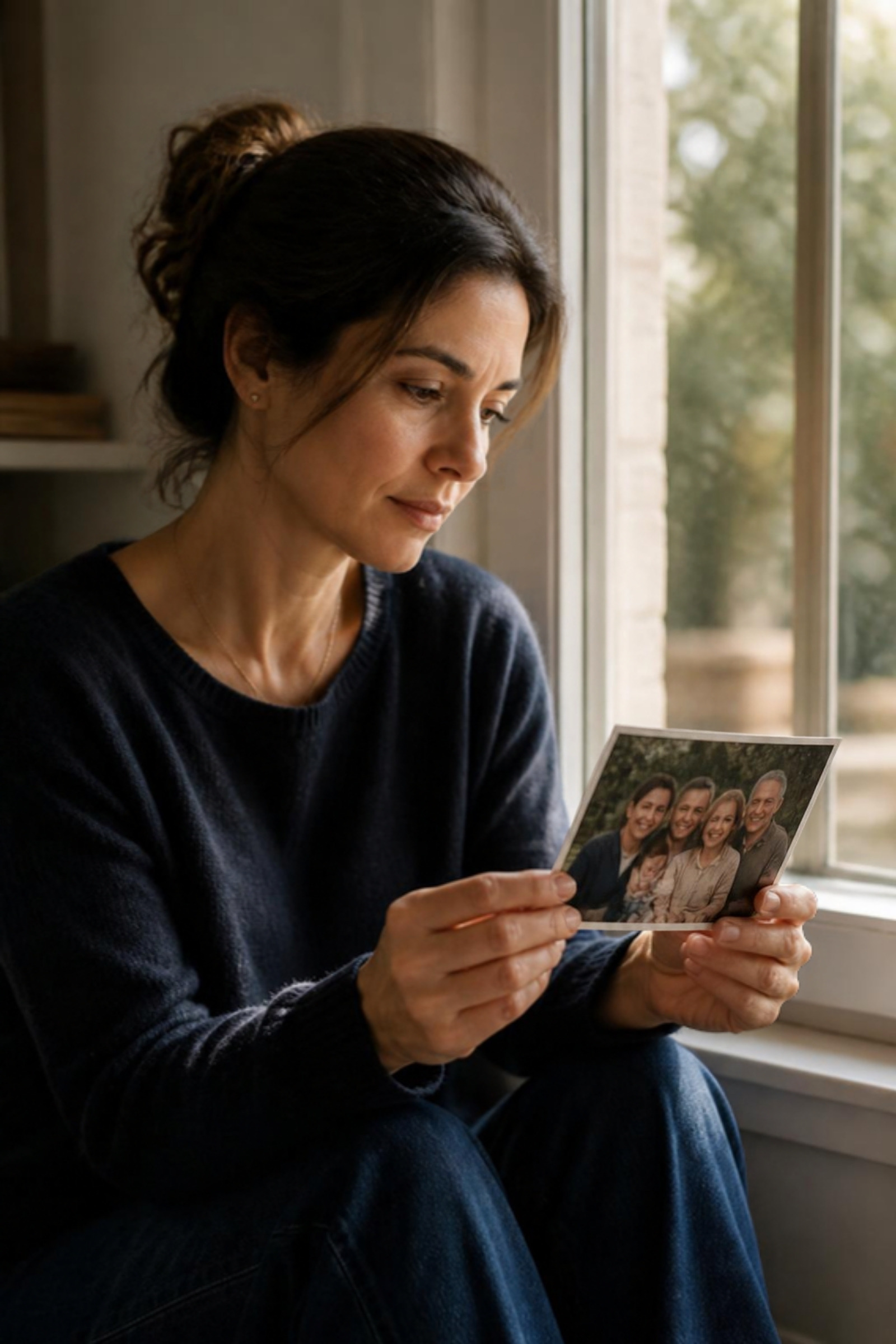
The role reversal that comes with caring for a parent is rarely talked about honestly. Here's what that shift actually feels like, and why it isn't a sign anything is wrong.
Michelle Wiley2 min read
Read article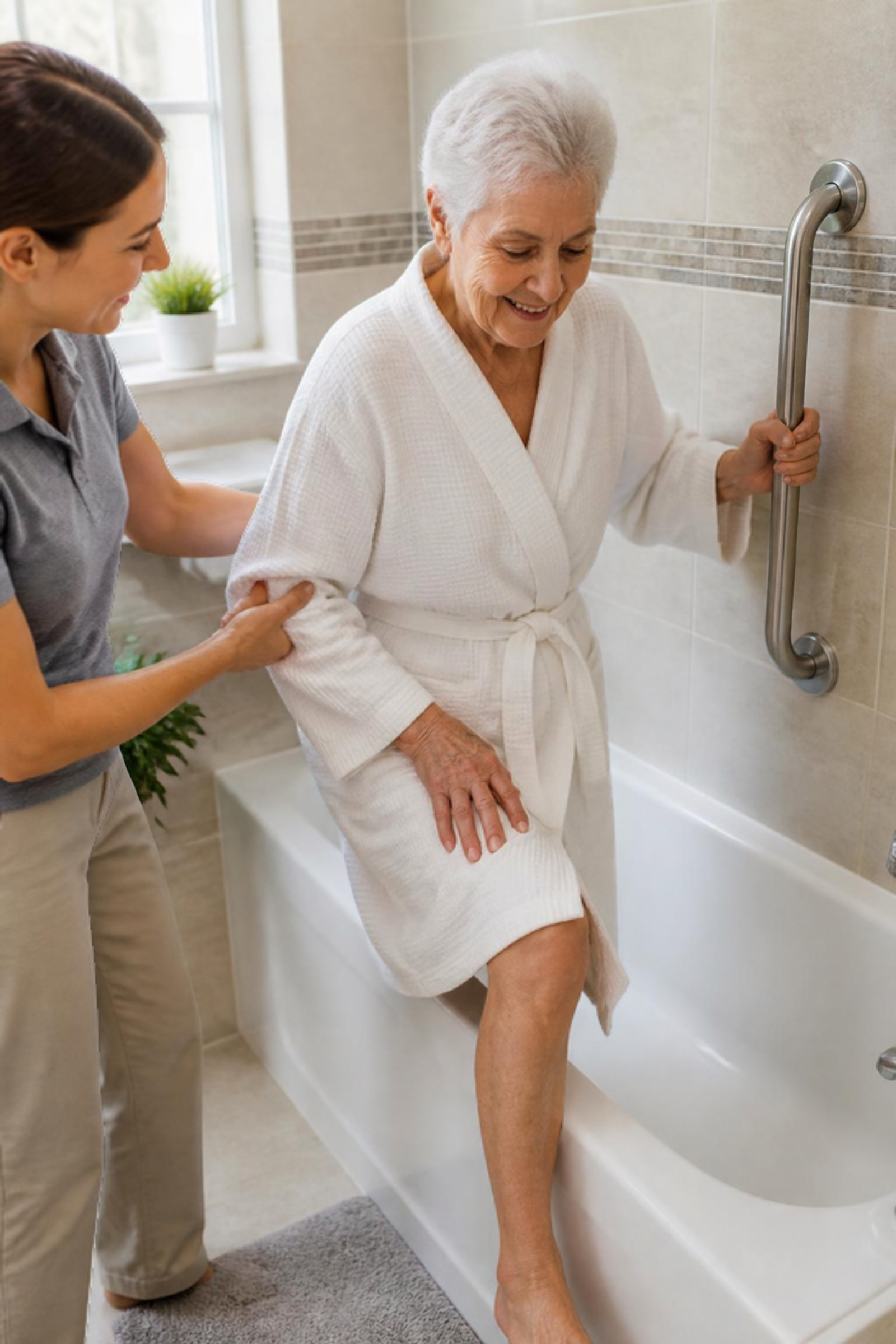
Most falls happen at home, and most home hazards are fixable. Here's a practical, room-by-room look at what to check.
Michelle Wiley2 min read
Read articleBook a free care consultation. We'll learn what matters most, answer your questions, and help you understand the right next step.
Call (206) 848-5121