A fall is one of the most common reasons an otherwise independent senior ends up needing more support, sooner than expected. Most falls happen inside the home, and most of the hazards that cause them are fixable without a renovation. Here's a practical walk-through, room by room.
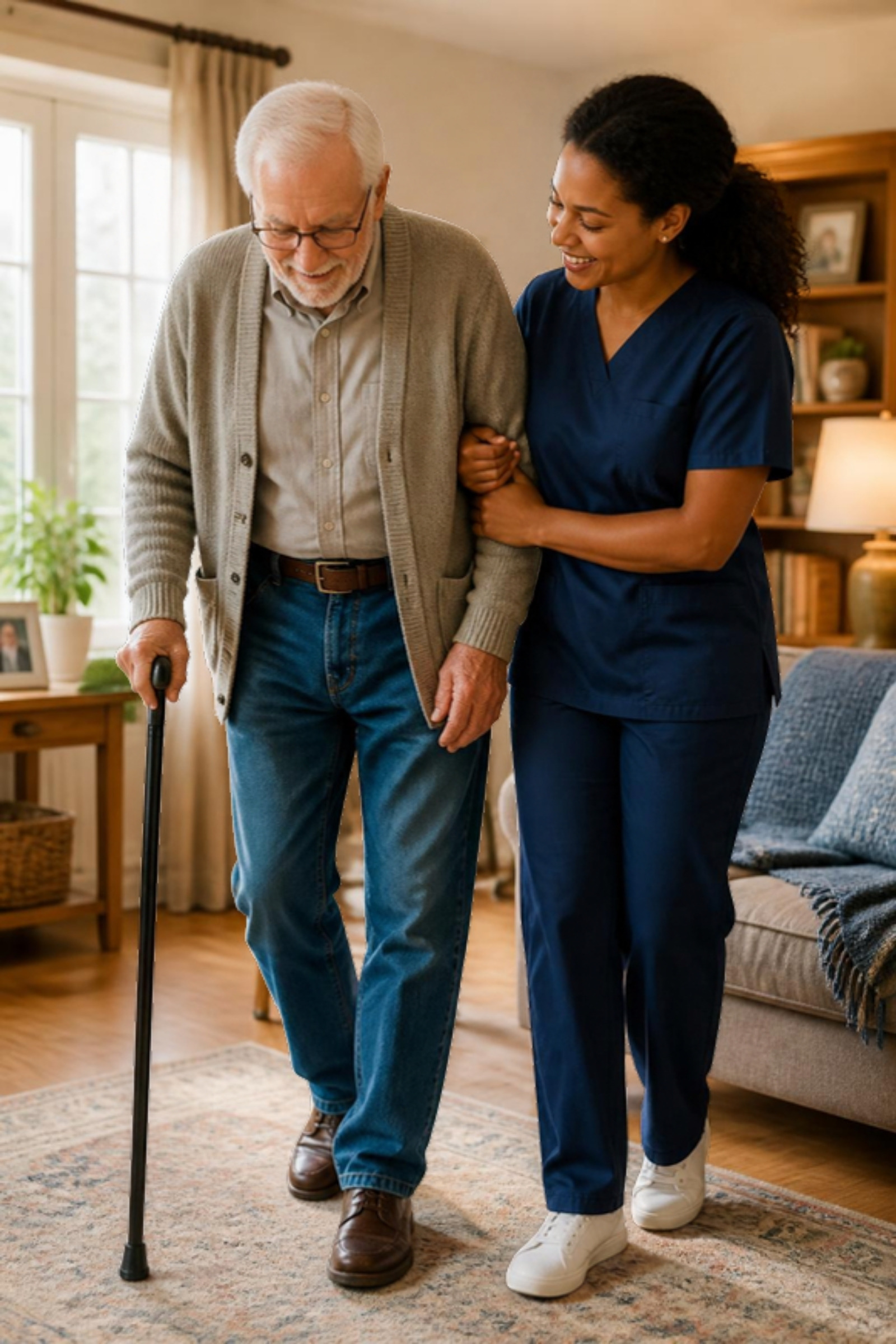
Entryways and hallways
- Clear pathways of loose rugs, cords, and clutter — anything that could catch a foot
- Add non-slip backing to any rug that stays
- Make sure light switches are reachable right at the entrance, not across a dark room
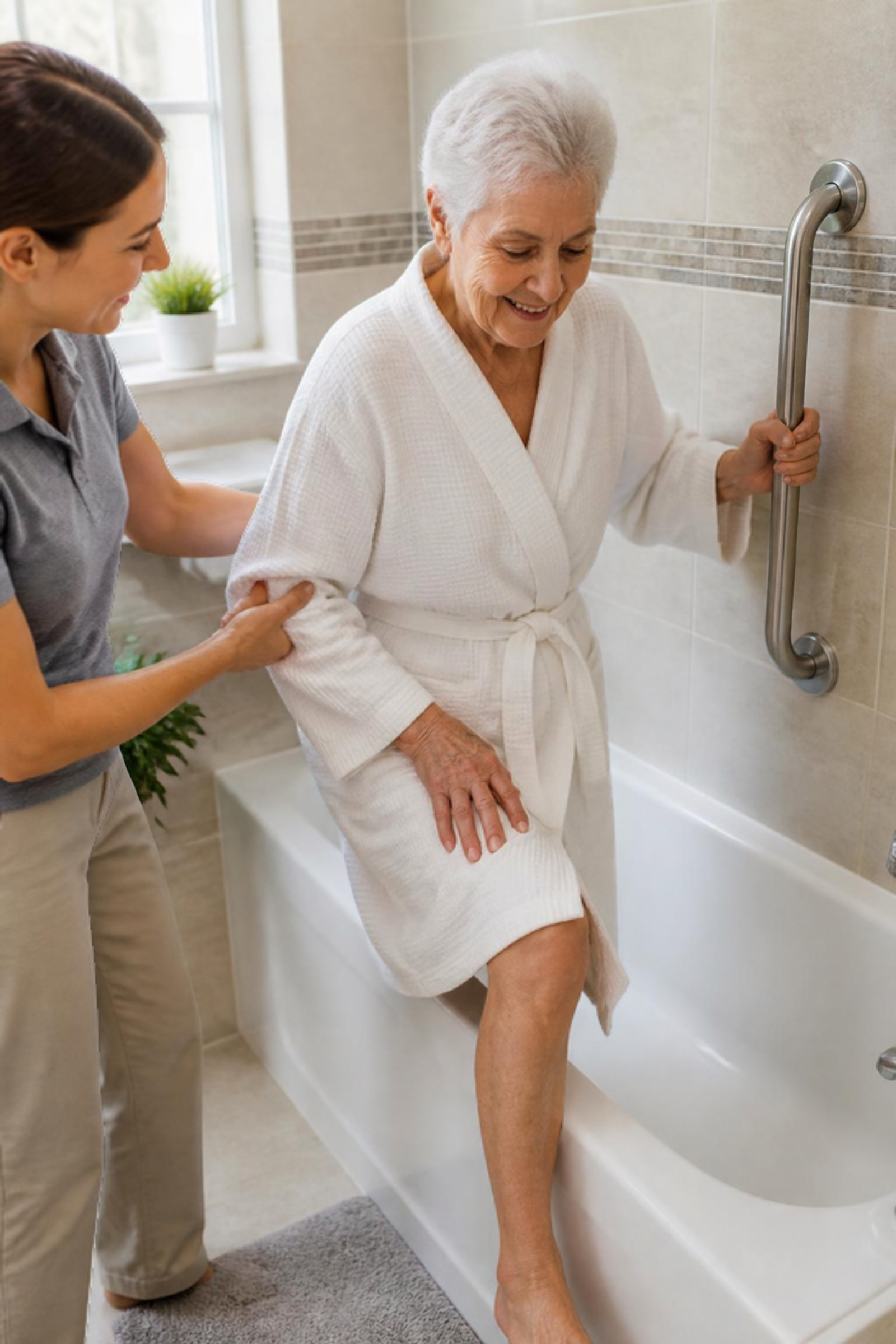
Bathrooms
The bathroom is the highest-risk room in most homes, largely because of wet, hard surfaces.
- Grab bars near the toilet and inside the shower or tub, mounted into studs, not just drywall
- A non-slip mat inside the tub or shower, and a bath mat with a rubber backing outside it
- A raised toilet seat if standing up is becoming difficult
- A shower chair, if standing through a full shower has become tiring or unsteady
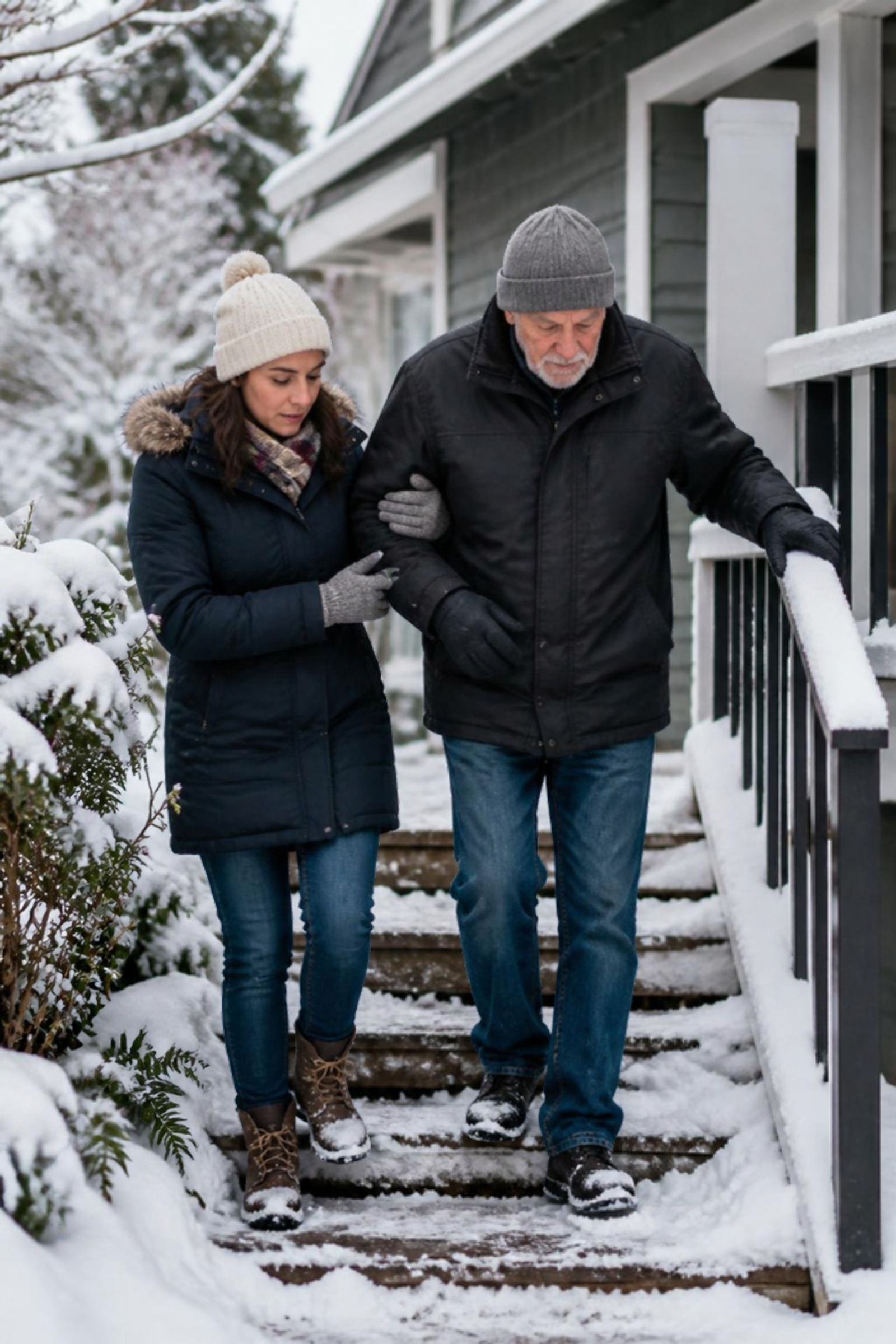
Stairs
- Handrails on both sides, the full length of the staircase
- Even, bright lighting at both the top and bottom — a switch at each end, not just one
- Reflective tape or a contrasting color on the edge of each step, especially if vision has changed
Bedroom
- A lamp within reach of the bed, so a nighttime trip to the bathroom doesn't start in the dark
- A clear, obstacle-free path from bed to bathroom
- A bed height that allows feet to reach the floor comfortably when sitting on the edge
Kitchen
- Frequently used items stored at waist to shoulder height, so a step stool isn't part of the daily routine
- A sturdy chair nearby for tasks that take a while, like waiting on the stove
General lighting and footwear
Dim lighting and unsupportive footwear are two of the simplest, most overlooked contributors to falls. Brighter bulbs throughout, night lights in hallways and bathrooms, and shoes with a back and non-slip sole (rather than loose slippers) make a real difference.
Where a caregiver's eyes help
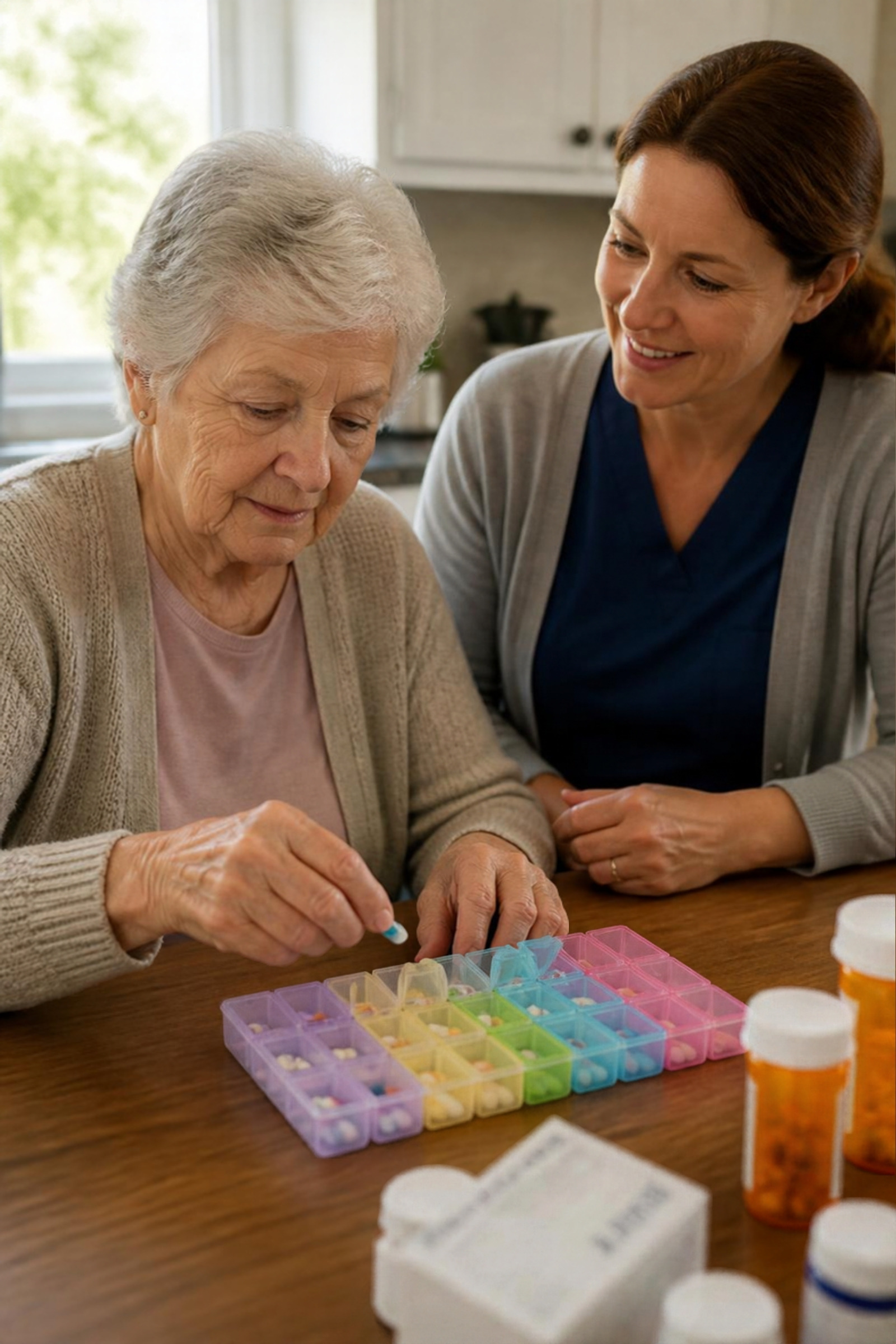
A room can look safe to someone who's lived in it for thirty years and stopped noticing its risks. Part of what a personal care caregiver brings is a second, practiced set of eyes — noticing the loose stair rail or the rug that's become a habit to step over, rather than a hazard waiting to be fixed.
If a recent fall — or a near-miss — has your family thinking about extra support at home, a free consultation is a good place to start figuring out what would actually help.