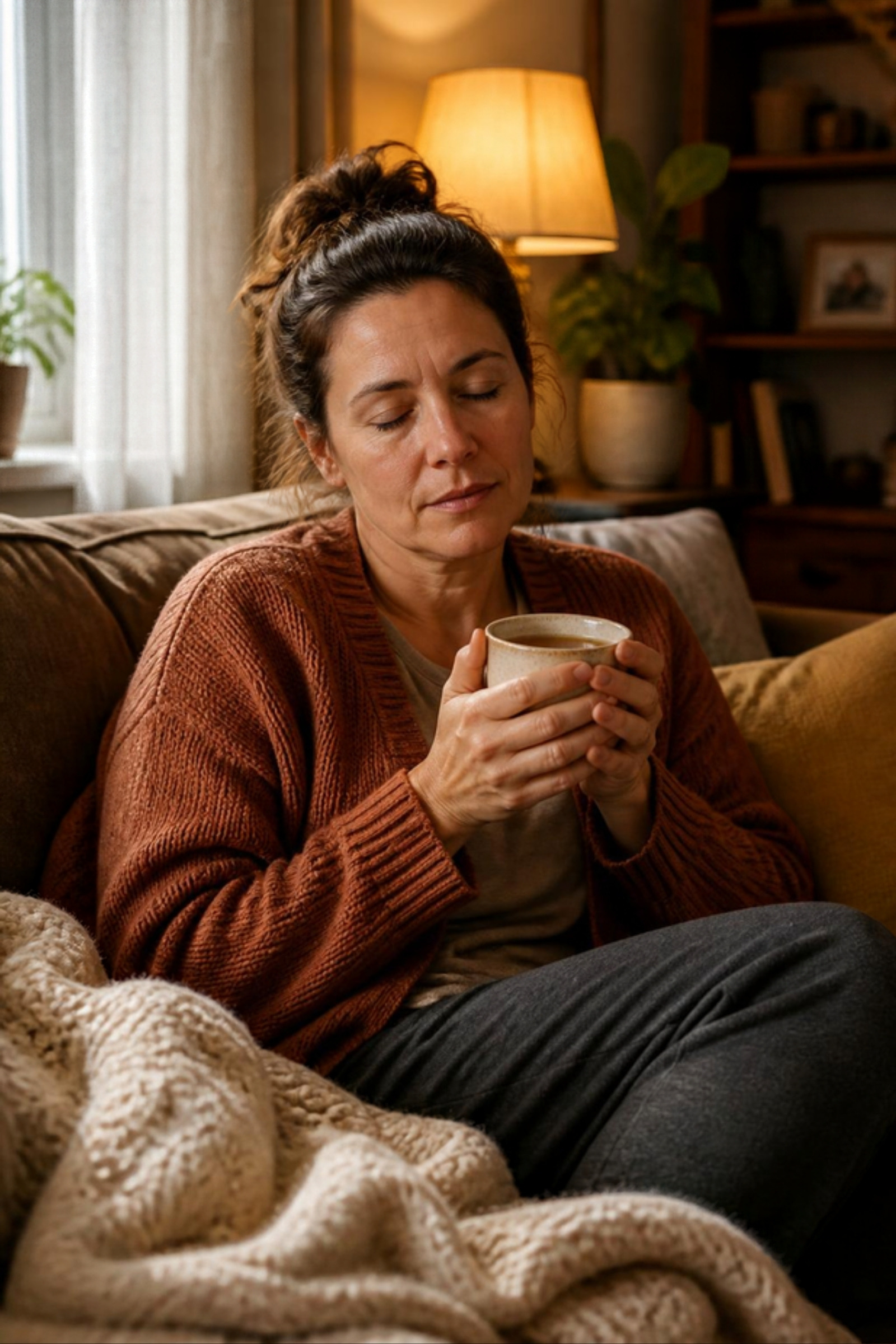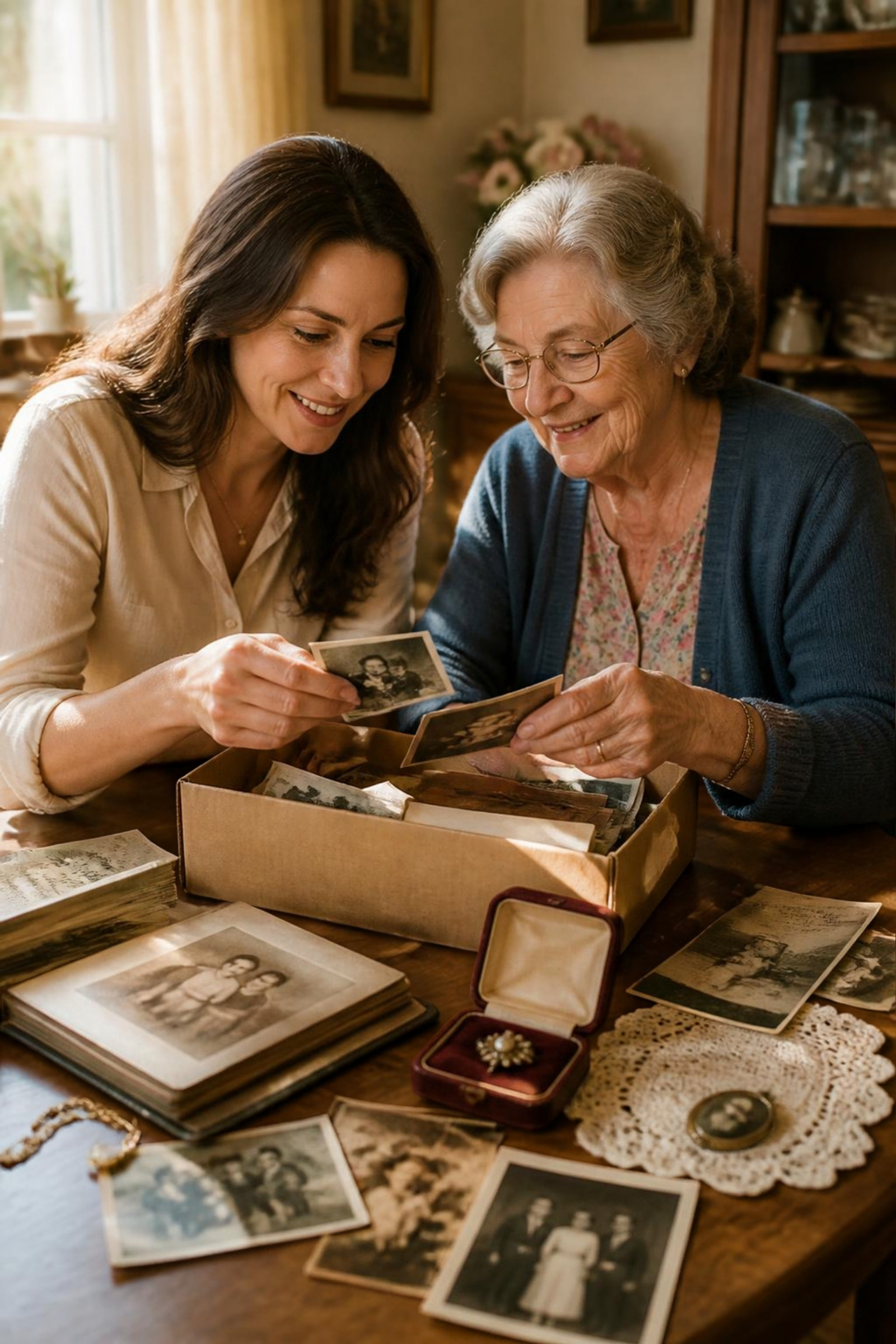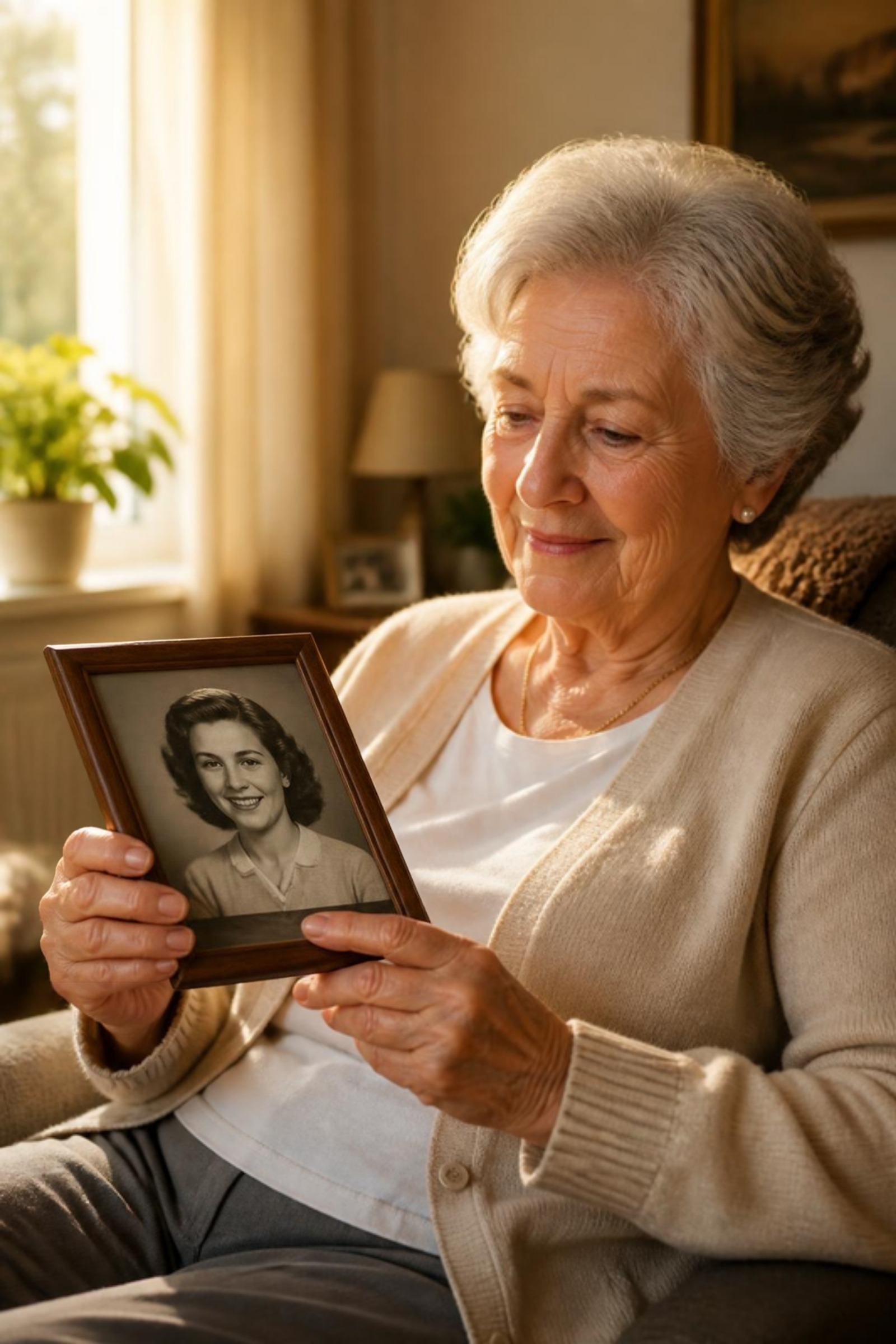
Grief later in life has a particular shape. Losing a spouse after decades together, or watching close friends pass one by one, often means facing loss with a smaller support network than earlier in life — fewer people left who remember the same history, and less social momentum to lean on.
Grief in seniors is easy to misread
Withdrawal, changes in appetite, disrupted sleep, and low energy after a loss can look a great deal like normal aging, or like depression, and the two are sometimes hard to tell apart from the outside. Grief that isn't easing at all after a significant stretch of time, or that comes with a real loss of interest in everything, is worth mentioning to a doctor rather than assuming it will simply pass.
The particular loneliness of losing a spouse
A spouse of many decades is often a person's primary companion, sounding board, and reason for structure in the day — losing that can mean the loss of routine as much as the loss of a person. Meals eaten alone for the first time in fifty years, an empty side of the bed, a house that suddenly echoes: the practical changes carry as much weight as the emotional ones.
What genuinely helps
Consistent, low-pressure company — not activities that demand a lot of energy, but simply presence — tends to help more than well-meant advice or attempts to "cheer up." Being present for the ordinary, unremarkable moments of a day, not only the big ones, is often what grief needs most.
Where companion care fits in
Companion care can provide exactly this: regular, familiar company that doesn't require a grieving parent to perform wellness for family members who visit less often, while still giving them someone to talk to, share a meal with, and simply not be alone with on the harder days.
Don't rush the timeline
There's no schedule grief is supposed to follow, and comparing it to how someone "should" be doing by now rarely helps. Some days will be harder than others long after the loss itself, and that's an ordinary part of grieving, not a sign that something is going wrong.
When to be more concerned
Loss of appetite serious enough to affect health, talk of not wanting to go on, or a level of self-neglect that raises safety concerns are different from ordinary grief and warrant reaching out to a doctor directly, not waiting to see if it passes.
If you're watching a parent grieve and aren't sure how to help, or whether more regular company might ease some of the isolation, a free consultation is a gentle place to start that conversation.